Opinion

The Legend of the Seagullmen: First Impressions

Fans of metal are most likely very familiar with Mastodon and Tool, two bands that have created loyal fan bases centered around rather unique sounds and styles.  Just today, Brent Hinds, lead guitarist for Mastodon, and Danny Carey, drummer for Tool, have made their new project, The Legend of the Seagullmen, known.  After releasing two songs via their website (theseagullmen.com), immediately music news sources began to speculate as to the long term goals of the new supergroup.  The band is nautically-themed, as evident by their name and the names of the first two released tracks by the band, and they also include OFF! frontman Dimitri Coats in the lineup.
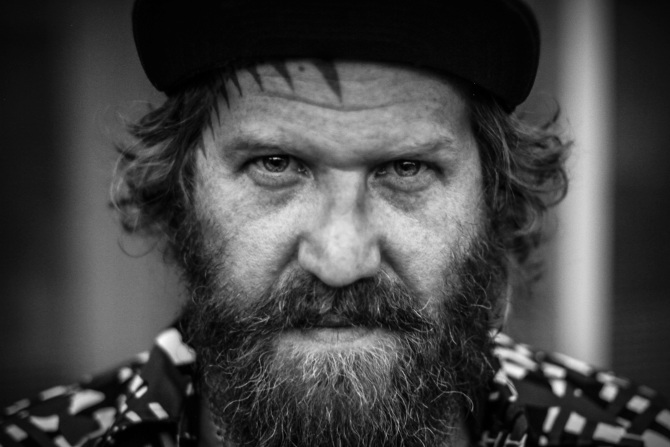
Brent Hinds of Mastodon

Gentrification is taking the Music out of Music City

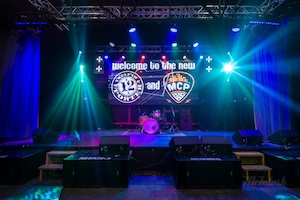
12th and Porter is the latest victim of gentrification in the Gulch.

Nashville calls itself Music City; it’s the moniker that supposedly separates our home from Charlotte, Minneapolis, and every other up-and-coming metropolis, and it’s a huge part of the reason I chose to come to Vanderbilt. So the news that the locally beloved venue 12th and Porter will be closing its doors at the end of February disturbs me greatly—and if you care about preserving the cultural integrity of Nashville, it should disturb you too.

According to The Tennessean, the property will be redeveloped to “enhance the North Gulch.” If the South Gulch is any indication, that means we’ll see 12th and Porter replaced by luxury condos, a couple boutique clothing stores, and another Bar Louie or an Irish pub. Instead of seeing a great local band or marginally more to check out an established act like Kings of Leon or Neil Young (both have played 12th and Porter), you’ll get to overpay for dinner and drinks at a generic nightspot devoid of personality. This is gentrification at its finest: the conversion of a “run-down” area into an upscale neighborhood through the replacement of its businesses and residents and raising of rent.

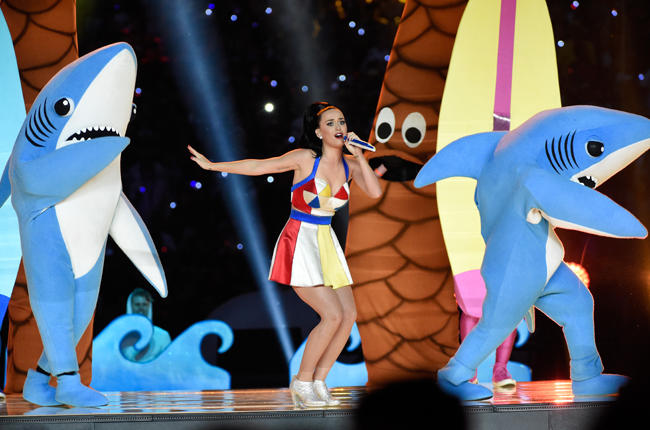
Left Shark or Right Shark? The Music of Super Bowl XLIX

Walking into class this afternoon, my professor proceeded to explain that today she was feeling more left shark than right shark. If you don’t understand the reference yet, get excited because a lot of strange and awesome (music) things happened this Super Bowl that we are going to get to discuss.

If you’re reading this from quite possibly anywhere in the United States, I am going to assume that you are aware of the major sporting event that occurred just this past Sunday. For those of you who are unaware though, Super Bowl XLIX was this Sunday, and as always, it was quite the event. To be completely honest, I did not watch the entire game but I did manage to glean a couple of important facts from it. First, apparently there was some kind of upset towards the end of the game. I’m not really all that concerned with it. Secondly, apparently Nationwide killed a kid in their commercial. That’s also not something I’m going to go into here. Instead, I figured why not talk a little more about the important parts of the Super Bowl?

katy-perry-14-super-bowl-halftime-xlix-2015-billboard-650

Music that Sounds Like 2015

The farther you are from past events, the more they blend together. Time periods – years, decades, centuries – make for easy, automatic categorization of those events. “Take on Me”, “Just Like Heaven”, and “Don’t You (Forget About Me)” are distinctively “eighties” music in the public consciousness; today anything that sounds like synth-pop, from 1989 to “Seasons (Waiting On You)”, is an ‘80s throwback. Decades are efficient, well-defined genre descriptors, to the point where decades like the ’80s and ’90s feel so musically distinct that phrases like “1985-1994 in music” sound meaningless to someone who wasn’t around back then.


2015 Kanye moves away from the industrial anti-pop star seen on Yeezus (2013) for a sentimental team-up with Paul McCartney.